Features and usage of Single-layer glass reactors
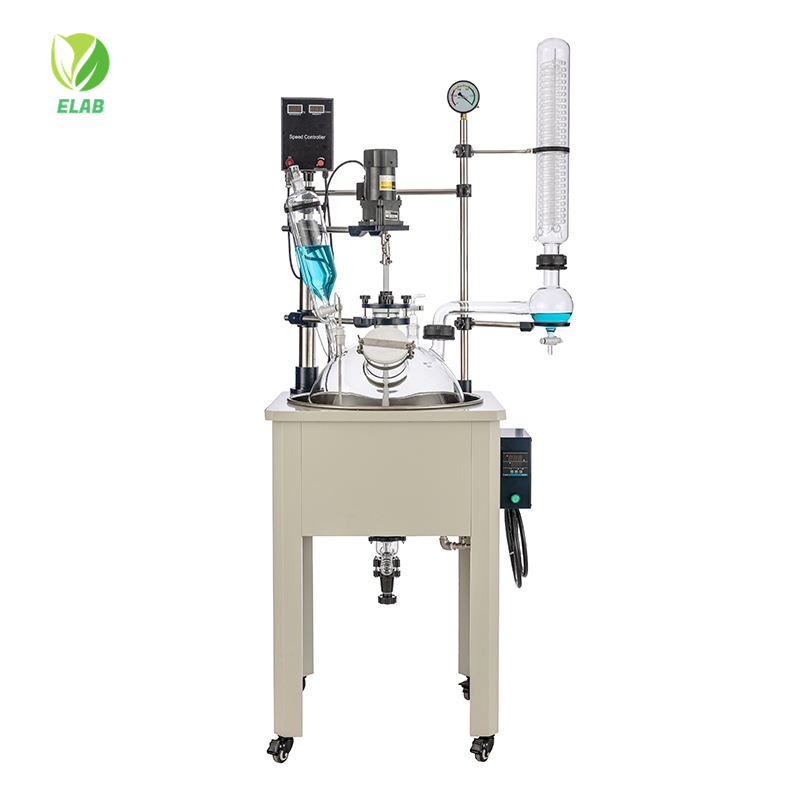
Single-layer glass reactors are widely used in chemical laboratories and industries for various purposes due to their versatility and reliability. These reactors consist of a single glass vessel, usually with a cylindrical shape, designed to contain chemical reactions under controlled conditions.
### Applications
1. **Chemical Synthesis**: One of the primary uses of single-layer glass reactors is in chemical synthesis. They provide a controlled environment for reactions involving different chemicals and solvents. Researchers and chemists use these reactors to study reaction kinetics, optimize reaction conditions, and produce small to medium-scale batches of chemicals.
2. **Extraction Processes**: In industries such as pharmaceuticals and essential oils, single-layer glass reactors are employed for extraction processes. They facilitate the extraction of compounds from raw materials using solvents. The transparent nature of the glass allows operators to monitor the extraction process visually, ensuring efficiency and quality control.
3. **Distillation and Refinement**: Glass reactors are also utilized for distillation and refinement processes. Distillation involves separating components of a mixture based on differences in their volatilities, and glass reactors provide a suitable environment for such operations. The reactors can be equipped with additional components like condensers and reflux systems to facilitate distillation.
4. **Temperature Control Studies**: Many chemical reactions are sensitive to temperature variations. Single-layer glass reactors often come with heating and cooling systems that allow precise control over reaction temperatures. This feature is crucial for studying the effect of temperature on reaction rates and product yields.
5. **Biotechnological Applications**: In biotechnology research, these reactors find applications in processes such as fermentation and enzymatic reactions. They provide a sterile and controlled environment necessary for cultivating microorganisms or conducting enzymatic transformations.
### Advantages
- **Visibility**: The transparent nature of glass reactors enables real-time observation of reactions, ensuring better monitoring and control.
- **Chemical Inertness**: Glass is chemically inert and does not react with most chemicals, ensuring that reactions occur only between the intended reactants.
- **Ease of Cleaning**: Glass reactors are relatively easy to clean and sterilize, making them suitable for applications requiring high cleanliness standards.
- **Versatility**: They can accommodate a wide range of chemical processes and are adaptable to different experimental setups and configurations.
### Conclusion
In summary, single-layer glass reactors play a crucial role in chemical research, development, and production processes. Their versatility, transparency, and ability to control reaction conditions make them indispensable tools in laboratories and industrial settings worldwide. Whether for chemical synthesis, extraction, distillation, or biotechnological applications, these reactors provide a reliable platform for advancing scientific understanding and industrial innovation.
Wonderful! Share this Blog: