A laboratory glass reactor is an essential piece of equipment in modern chemical, pharmaceutical, and biotechnological research. These transparent vessels, typically constructed from high-borosilicate glass, allow scientists to observe reactions in real time while maintaining precise control over temperature, pressure, and mixing conditions. Available in sizes ranging from compact 1-liter benchtop units to substantial 50-liter systems, each laboratory glass reactor configuration serves distinct experimental needs.
Single-Layer Laboratory Glass Reactors (1L-5L)
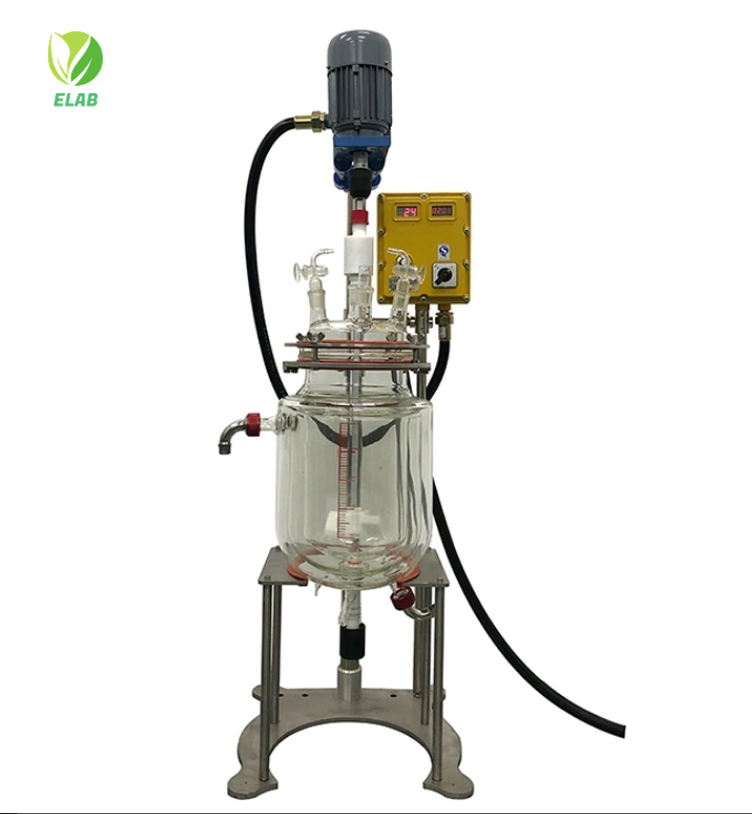
The most basic configuration features a single glass vessel without external temperature control jackets. These economical units excel in simple mixing, distillation, and reflux operations where external heating mantles or cooling baths provide sufficient thermal management. The 1-liter laboratory glass reactor represents the entry point for small-scale synthesis, while 5-liter versions accommodate slightly larger batch sizes without sacrificing bench space efficiency.
Jacketed Laboratory Glass Reactors (10L-20L)
Double-layer designs incorporate circulating fluid jackets that enable precise temperature control from -80°C to 250°C. The 10-liter laboratory glass reactor strikes an optimal balance between capacity and space requirements, making it ideal for process development and pilot-scale experiments. Twenty-liter systems expand production capabilities while maintaining the visibility advantages that make glass reactors superior to stainless steel alternatives for observation-critical applications.
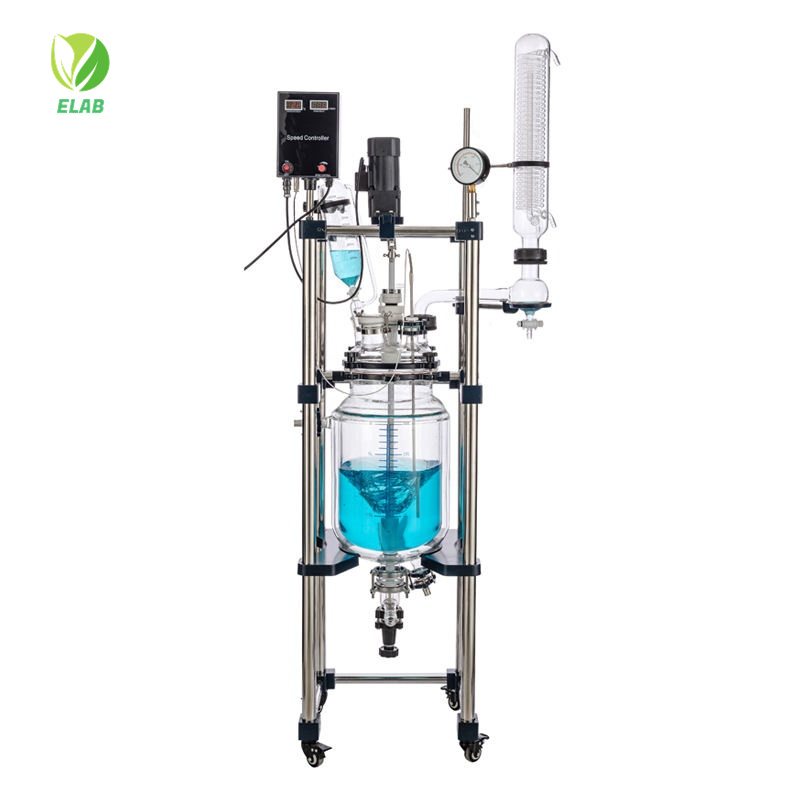
Advanced Multi-Layer Systems (30L-50L)
Triple-layer laboratory glass reactor configurations add vacuum insulation jackets, minimizing heat loss during extended reactions and enabling extreme temperature operations. The 50-liter laboratory glass reactor represents the upper limit for standard glass construction, providing substantial batch capacity while preserving the chemical inertness and visual monitoring capabilities essential for pharmaceutical crystallization, polymer synthesis, and extraction processes.
When selecting a laboratory glass reactor, consider your typical batch volume, temperature requirements, and future scalability needs. The transparent nature of glass provides unparalleled process visibility, while borosilicate construction ensures compatibility with most chemical reagents used in research and development applications.
Wonderful! Share this Blog: