Global pharma’s sprint toward antibody-drug conjugates, RNA therapies and continuous-flow APIs has lifted the **Lab Reactor Temperature Control Equipment** market to a 15 % expansion in 2025, according to independent analysis released this week. Sales surpassed USD 840 million as developers raced to install next-generation circulators that can swing from −80 °C cryogenic holds to 200 °C high-temperature cyclizations without overshoot. “Precision is no longer optional,” says Dr. Lisa Chen, head of process chemistry at a Massachusetts CRO. “When a single exotherm can destroy a 50 g batch worth six figures, **Lab Reactor Temperature Control Equipment** becomes the critical path for every timeline we quote.”
The surge is visible across every layer of the supply chain. Glass jacketed reactor manufacturers now bundle magnetic-drive circulators, multi-zone thermostats and IoT-enabled sensors as standard, while contract manufacturers add redundant chiller loops to satisfy tightening FDA guidance on scale-up reproducibility. “We ordered forty additional units this quarter alone,” notes a procurement director at a Swiss CDMO that supports phase-II ADC programs. “Without robust **Lab Reactor Temperature Control Equipment** we cannot keep tandem 2 L and 20 L stations in the same thermal envelope, and that risks regulatory push-back on our filing package.”
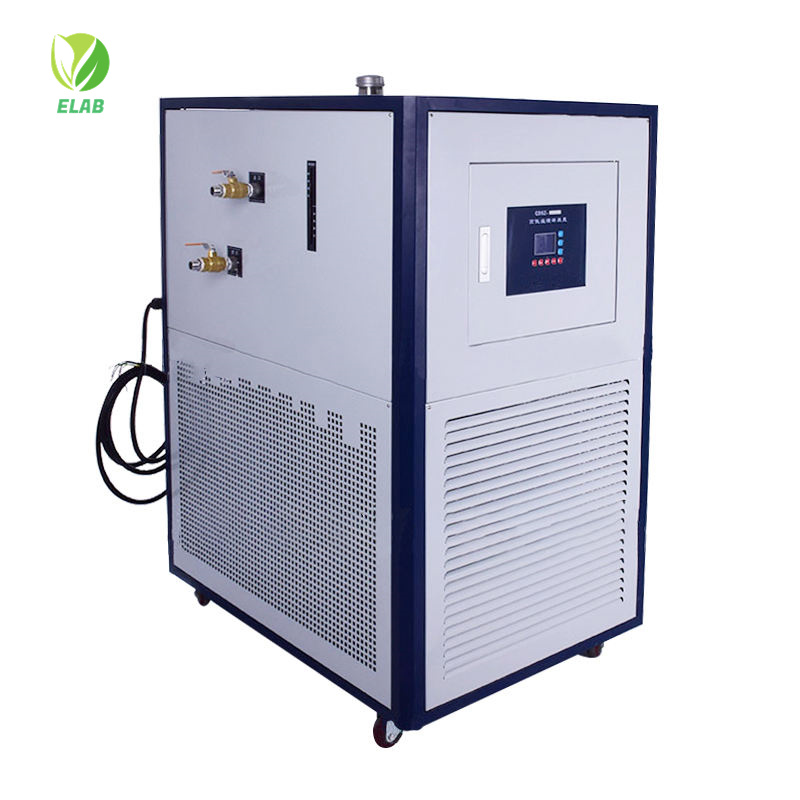
Energy efficiency is emerging as a second growth engine. New closed-loop designs reclaim waste heat via phase-change materials, cutting electricity draw by 30 % compared with legacy open-bath systems. Vendors such as ZZelab has positioned these eco-friendly packages as a fast route to corporate ESG targets without sacrificing performance, winning orders from both Big Pharma and emerging biotech incubators. Analysts at TechSci Research predict the **Lab Reactor Temperature Control Equipment** segment will post a 12 % compound annual growth rate through 2028, with Asia-Pacific labs contributing more than 45 % of incremental demand as domestic innovators adopt the same exacting thermal standards.
Looking ahead, artificial intelligence is expected to add a fresh layer of differentiation. Cloud-connected controllers already log every temperature excursion in real time; the next generation will forecast thermal events and pre-adjust circulator set-points before a deviation occurs. “Whoever masters predictive **Lab Reactor Temperature Control Equipment** will own the post-patent marketplace,” concludes the report, noting that early adopters have trimmed route-scouting cycles by 25 % and reduced solvent usage through tighter quench control. With regulatory timelines shrinking and molecule complexity rising, reliable thermal management has moved from supporting actor to headline role in the race to deliver tomorrow’s therapies.
Wonderful! Share this Blog: