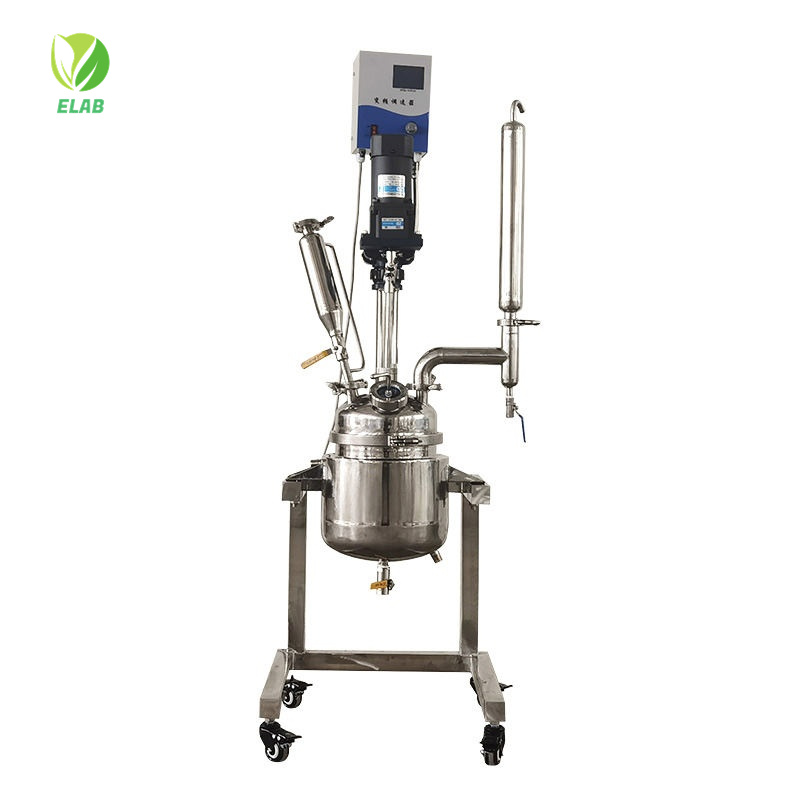
After the experiment, the steps for properly cleaning and storing the stainless steel reactor are as follows:
Cleaning steps
1. Preparation
- Make sure the stainless steel reactor has stopped running and cooled to a safe temperature, and disconnect it from the power supply.
- Empty the residual reactants or products in the stainless steel reactor, and use a drain valve or pump to drain if necessary.
- Check seals, valves and pipes to ensure that there will be no leakage during cleaning.
- Wear appropriate personal protective equipment, such as gloves, goggles, etc.
2. Preliminary cleaning
- Use warm water to rinse the inside and outside of the stainless steel reactor to remove floating dust and residues on the surface.
- For loose residues, you can use a high-pressure water gun or a pump to circulate the water solution for flushing.
3. Main cleaning
- Choose a suitable cleaning agent according to the nature of the residue in the stainless steel reactor:
- If the residue is water-soluble, water can be used for preliminary cleaning, and hot water is more effective.
- For oxides or inorganic residues that are difficult to remove, dilute acid (such as dilute hydrochloric acid or dilute nitric acid) can be used for pickling, but care should be taken to avoid corrosion of the stainless steel surface, and it should be thoroughly rinsed after pickling.
- If there are residual organic matter or grease, an alkaline cleaning agent (such as sodium hydroxide solution) can be used for cleaning.
- For organic residues that are difficult to dissolve in water, a suitable organic solvent (such as ethanol, acetone, toluene, etc.) can be selected for cleaning.
- Add the selected cleaning agent to the reactor and start the agitator for circulated cleaning to ensure that the cleaning agent is in full contact with the inner wall of the reactor. The time is usually 30 minutes to several hours.
- Depending on the size of the stainless steel reactor and the nature of the residue, the cleaning agent can be circulated multiple times to ensure thorough cleaning.
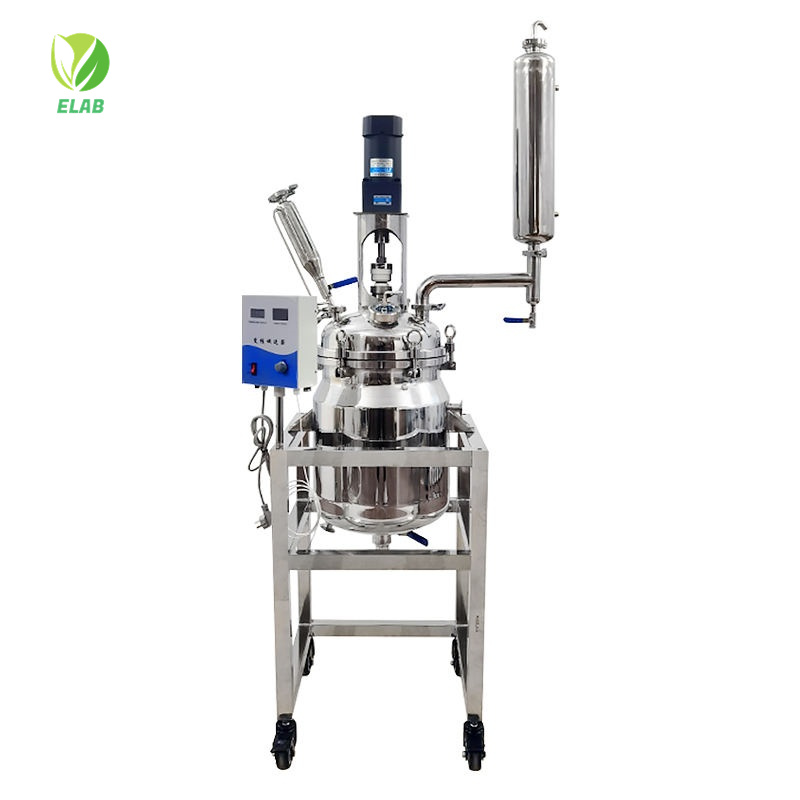
4. Rinse after cleaning
- Rinse the stainless steel reactor thoroughly with plenty of clean water or other appropriate solvents to ensure that all cleaning agents are completely removed.
- Use pH test paper, visual inspection or other analytical methods to check the cleaning effect of the inner surface of the reactor. If there are still residues, repeat the cleaning steps or change the cleaning agent for another cleaning.
5. Drying treatment
- Dry the cleaned stainless steel reactor completely by natural air drying, hot air drying or vacuum drying to avoid corrosion caused by residual moisture or cleaning agents.
Storage steps
1. Check the sealing
- Seals or valves may be removed during the cleaning process. After cleaning, recheck and confirm the sealing to ensure safety during the next use.
2. Storage environment
- Place the stainless steel reactor in a dry, clean, well-ventilated environment to avoid erosion by moisture and corrosive gases.
3. Record cleaning information
- After cleaning, record the cleaning steps and cleaning agents used in detail for future reference.
Wonderful! Share this Blog: