A jacketed glass reactor is a versatile piece of equipment used in labs and industries for chemical reactions, mixing, and temperature-controlled processes. One of its most critical features is its capacity—the volume of material it can hold. Let’s break down why reactor size matters and how to choose the right one for your needs.
What Is Capacity?
Capacity refers to the internal volume of the reactor, typically measured in liters (L). Common sizes range from small 5L reactors for lab experiments to large 100L+ systems for industrial production. The glass vessel’s size directly impacts how much material you can process at once, making it a key factor in efficiency and scalability.
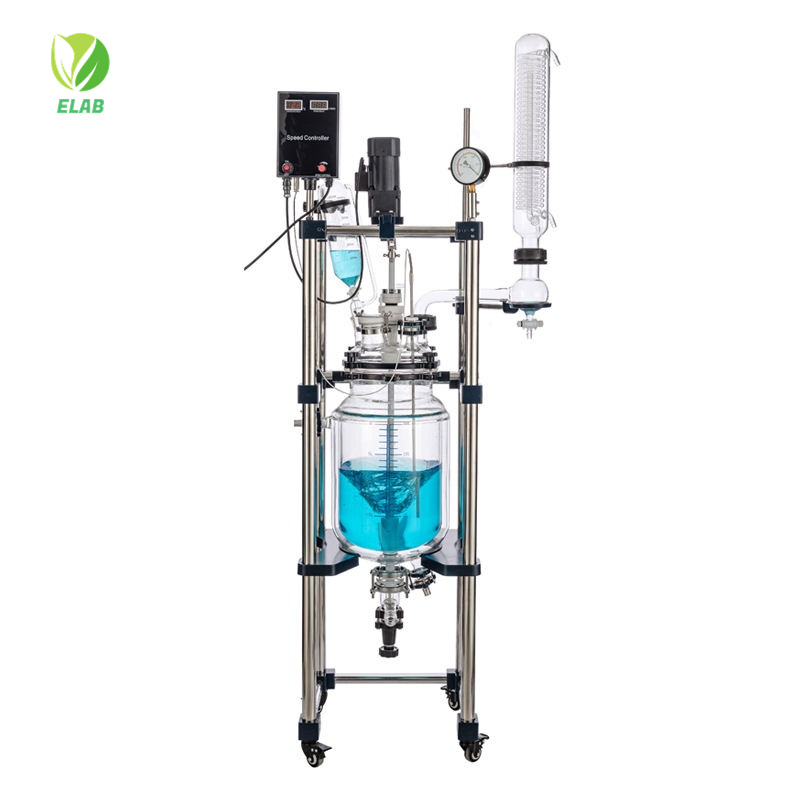
Small Reactors (5L–20L): Precision for Labs
Compact reactors (e.g., 5L, 10L) are ideal for research labs. Their small size allows scientists to test reactions with minimal raw materials, reducing costs and waste. For example, developing a new pharmaceutical compound often starts in a 10L reactor to optimize conditions before scaling up. These units are also easy to clean and fit into tight lab spaces.
Mid-Size Reactors (20L–50L): Bridging Lab and Production
Mid-capacity reactors are workhorses for pilot plants or small-scale manufacturing. A 50L reactor, for instance, can produce enough material for clinical trials or specialty chemicals. Their design balances control (like temperature uniformity) with higher output, making them perfect for scaling up proven processes.
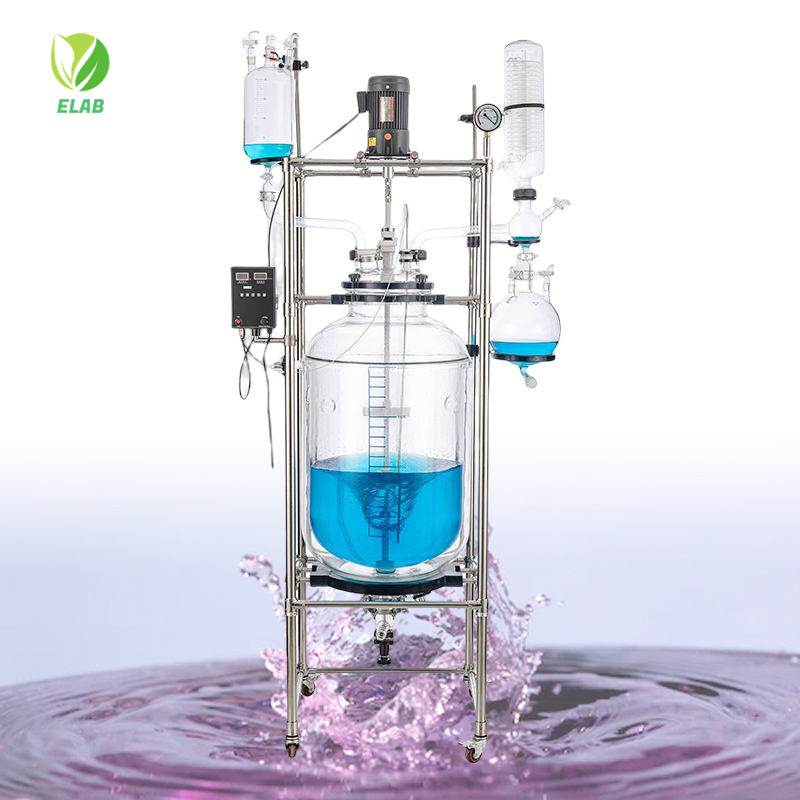
Large Reactors (100L+): Industrial Powerhouses
For bulk production—think industrial chemicals, food additives, or cosmetics—large reactors are essential. A 100L+ system can handle continuous processing, maximizing output while maintaining safety. However, bigger reactors require robust temperature control systems and powerful agitators to ensure even mixing.
Choosing the Right Size
Picking the correct capacity depends on your goals:
1. Experimentation: Start small (5L–20L) to minimize risk.
2. Pilot Testing: Mid-size (20L–50L) bridges lab and factory.
3. Mass Production: Go large (100L+) for cost-effective bulk output.
Final Tip
Always consider future needs. A modular reactor that allows capacity upgrades (e.g., adding larger vessels) can save time and money as your operations grow.
In short, the capacity of a jacketed glass reactor isn’t just about volume—it’s about aligning your equipment with your project’s stage, budget, and goals. Whether you’re mixing compounds in a lab or fueling an assembly line, the right size ensures efficiency, safety, and success!
Wonderful! Share this Blog: