- HOME
-
PRODUCTS
-
Reactor
-
Single Layer Glass Reactor
- 1L Single Layer Glass Reactor
- 2L Single Layer Glass Reactor
- 3L Single Layer Glass Reactor
- 5L Single Layer Glass Reactor
- 10L Single Layer Glass Reactor
- 20L Single Layer Glass Reactor
- 30L Single Layer Glass Reactor
- 50L Single Layer Glass Reactor
- 100L Single Layer Glass Reactor
- 200L Single Layer Glass Reactor
-
Jacketed Glass Reactor
- 1L Jacketed Glass Reactor (Double layer Glass Reactor)
- 2L Jacketed Glass Reactor (Double layer Glass Reactor)
- 3L Jacketed Glass Reactor (Double layer Glass Reactor)
- 5L Jacketed Glass Reactor (Double layer Glass Reactor)
- 10L Jacketed Glass Reactor (Double layer Glass Reactor)
- 20L Jacketed Glass Reactor (Double layer Glass Reactor)
- 30L Jacketed Glass Reactor (Double layer Glass Reactor)
- 50L Jacketed Glass Reactor (Double layer Glass Reactor)
- 100L Jacketed Glass Reactor (Double layer Glass Reactor)
- 200L Jacketed Glass Reactor (Double layer Glass Reactor)
- Lifting Glass Reactor
-
Stainless Steel Reactor
- 2L Stainless Steel Reactor
- 5L Stainless Steel Reactor
- 10L Stainless Steel Reactor
- 20L Stainless Steel Reactor
- 30L Stainless Steel Reactor
- 50L Stainless Steel Reactor
- 100L Stainless Steel Reactor
- 200L Stainless Steel Reactor
- Electric Heating Double Layer Stainless Steel Reactor
- 10L 20L 30L 50L Explosion Proof Double Layer Stainless Steel Reactor
- 100L 150L 200L 300L Industrial Explosion Proof Jacketed Stainless Steel Reactor
- High-pressure reactor
-
Single Layer Glass Reactor
-
Rotary Evaporator
- 1L-5L Rotary Evaporator
- 10L-100L Rotary Evaporator
-
Automatic Lifting Rotary Evaporator
- Fully automatic 1L Rotary Evaporator
- New 5L Rotary Evaporator
- New 10L Rotary Evaporator
- New 20L Rotary Evaporator
- New 50L Rotary Evaporator
- Automatic 1L Rotary Evaporator With Dual Digital Display
- Automatic 1L Rotary Evaporator With LCD Display
- Automatic 3L Rotary Evaporator With Dual Digital Display
- Automatic 3L Rotary Evaporator With LCD Display
- Explosion Proof Rotary Evaporator
-
Temperature Control Equipment
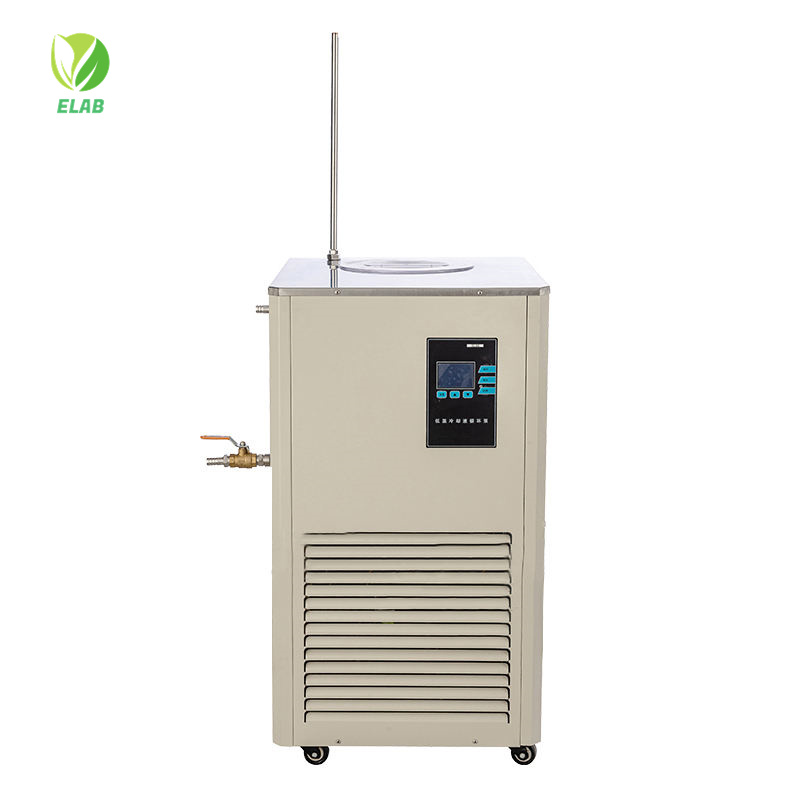
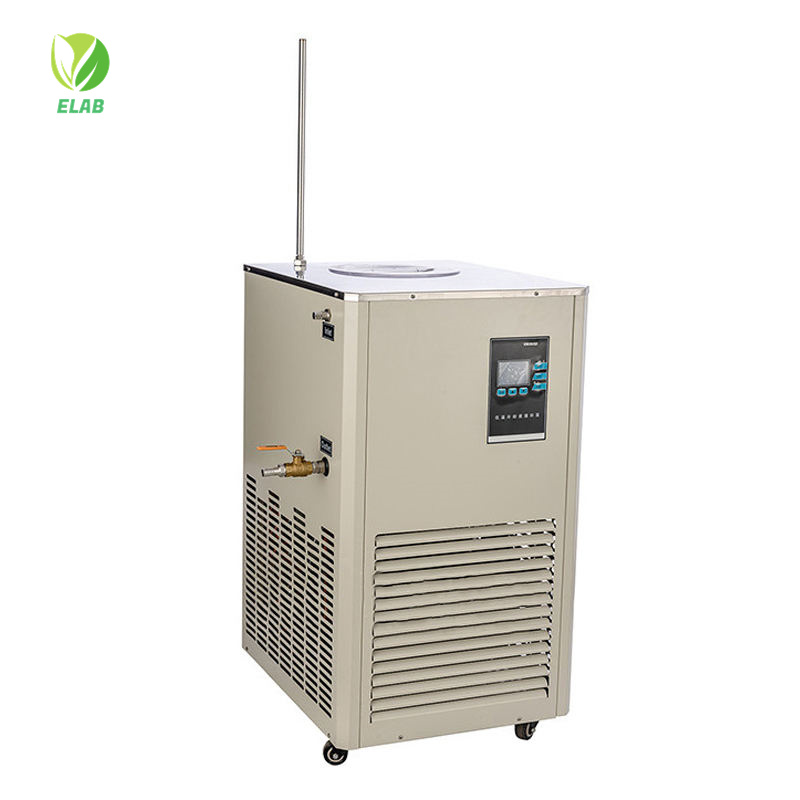
- Chilling Circulator
- Heating Circulator
-
Heating And Cooling Circulator
- CCA-420 low temperature circulating chiller
- Common Heating And Cooling Circulator
- Explosion Proof Heating And Cooling Circulator
-
New Touch Screen New Heating And Cooling Circulator
- 10L Touch Screen New Heating And Cooling Circulator
- 20L Touch Screen New Heating And Cooling Circulator
- 30L Touch Screen New Heating And Cooling Circulator
- 50L Touch Screen New Heating And Cooling Circulator
- 100L Touch Screen New Heating And Cooling Circulator
- 200L Touch Screen New Heating And Cooling Circulator
- Pump
- Glass Liquid Separator
- Vacuum Filter
- Drying Equipment
- Mixing equipment
-
Reactor
- ABOUT
- VIDEO
- DOWNLOAD
- NEWS
- CONTACT