Coolant chillers are critical industrial cooling systems that maintain precise temperature control by circulating chilled fluid through equipment and processes. These specialized units remove unwanted thermal energy from manufacturing operations, medical devices, and laboratory applications where overheating could compromise product quality or equipment performance. The fundamental purpose of coolant chillers is to provide consistent, reliable cooling that ensures operational stability and efficiency.
The operation of coolant chillers centers on the vapor-compression refrigeration cycle, a closed-loop process that continuously transfers heat. The cycle begins with a compressor that pressurizes low-pressure refrigerant gas, simultaneously increasing its temperature and pressure. This hot, high-pressure refrigerant flows into a condenser—either air-cooled via fans or water-cooled through a cooling tower—where it releases heat to the environment and condenses into a liquid. The high-pressure liquid refrigerant then passes through an expansion valve, causing a rapid pressure drop that vaporizes a portion of the refrigerant and dramatically lowers its temperature. This cold refrigerant enters the evaporator, where it absorbs heat from the process coolant circulating from the industrial application. The warmed refrigerant returns to the compressor as low-pressure gas, completing the cycle and continuously cooling the recirculating coolant.
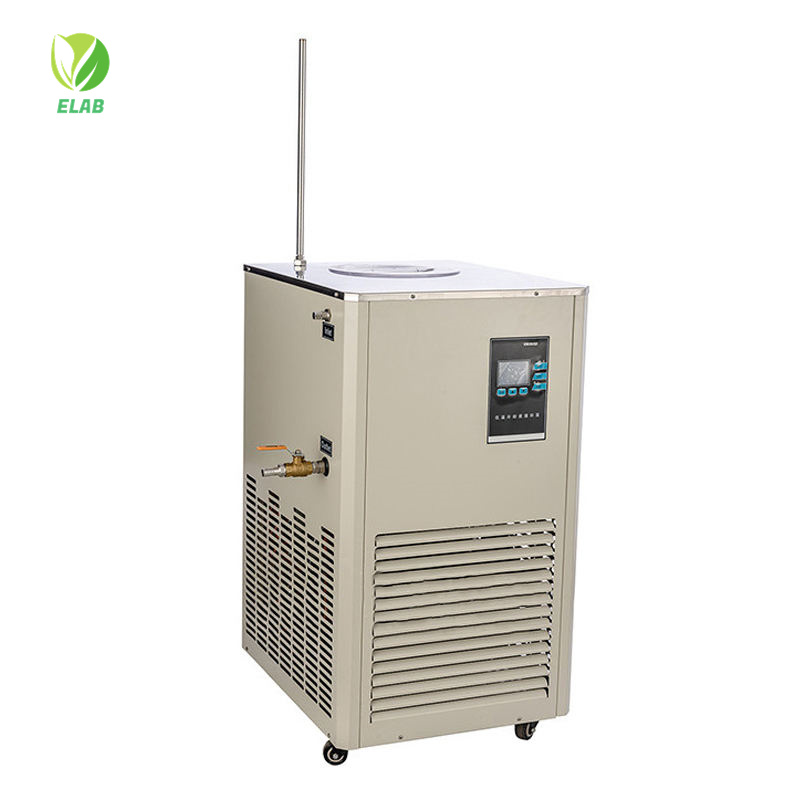
Modern coolant chillers feature sophisticated components that enhance performance and reliability. Variable speed drive (VSD) compressors automatically adjust their output to match real-time heat loads, reducing energy consumption by 20-40% compared to fixed-speed models. Advanced microprocessor controllers maintain temperature setpoints within ±0.5°F, while digital displays provide operators with real-time data on system pressures, flow rates, and temperatures. Plate-and-frame or shell-and-tube heat exchangers made from stainless steel ensure efficient heat transfer while resisting corrosion from glycol or specialized coolant mixtures.
Coolant chillers are available in various configurations to suit different applications. Air-cooled models are self-contained and suitable for facilities without cooling towers, while water-cooled versions offer higher efficiency for large-scale operations. Portable coolant chillers provide flexibility for temporary or spot-cooling needs, and central systems can serve multiple processes throughout a facility. Industries depend on coolant chillers for CNC machining, plastic injection molding, laser cutting, MRI cooling, pharmaceutical manufacturing, and analytical instrumentation, where precise thermal management is non-negotiable.
The reliable operation of coolant chillers directly impacts productivity, product quality, and equipment longevity. By preventing thermal drift and overheating, these systems reduce scrap rates, minimize unplanned downtime, and extend the service life of critical machinery. Regular maintenance, including filter cleaning, refrigerant level checks, and water quality management, ensures coolant chillers continue operating at peak efficiency, providing the stable thermal environment essential for modern industrial and scientific processes.
Wonderful! Share this Blog: