In the world of chemistry and drug manufacturing, picking the right reactor is a big deal. It affects how safe the process is, how well it runs, and the quality of the final product. Two of the most popular options are glass reactors and stainless steel reactors. Each one comes with its own strengths and downsides. The best choice really depends on a few key things: how well it resists corrosion, whether you can see inside, what pressure and temperature you need, and how big your operation is.
Corrosion Resistance is often the primary consideration. Glass reactors, typically made of borosilicate glass, offer exceptional resistance to a wide range of chemicals, including strong acids (except hydrofluoric acid), alkalis, and organic solvents. They are ideal for handling aggressive media such as hydrochloric acid, sulfuric acid, or chlorinated solvents. In contrast, stainless steel reactors—even high-grade 316L—are vulnerable to corrosion from chlorides, strong mineral acids, and certain salt solutions. For processes involving these corrosive substances, a glass reactor is usually the safer choice.
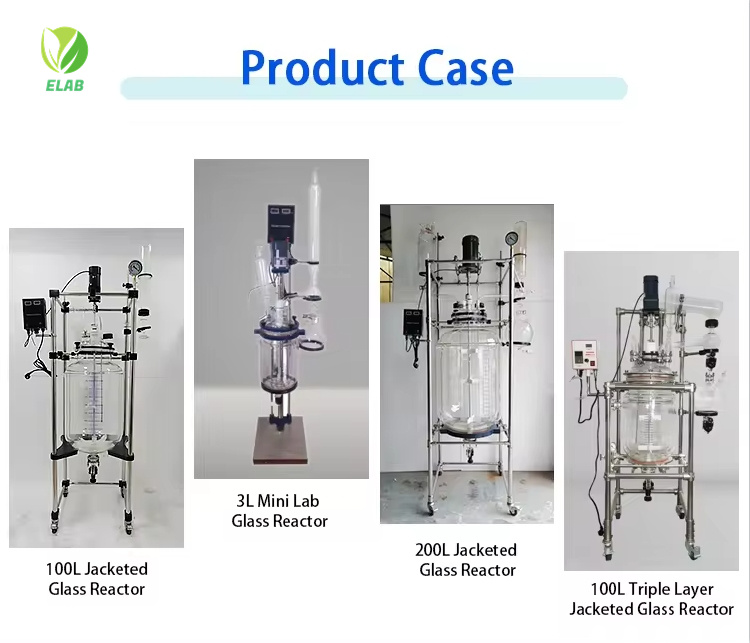
Visibility is another major advantage of glass reactors. Their transparency allows operators to directly observe the reaction process in real time—monitoring color changes, precipitation, crystallization, foaming, or phase separation. This is especially valuable in research and development, small-scale production, and quality control. Stainless steel reactors, being opaque, require external sensors and sampling ports to infer the reaction status, which adds complexity.
Pressure and Temperature Needs often decide the winner. Glass reactors usually work only at normal air pressure or slight vacuum (up to about 0.1 MPa) and a temperature range of -30°C to 200°C. They also don't like sudden temperature changes. But stainless steel reactors can handle much higher pressures (from 0.5 MPa up to over 10 MPa) and wider temperatures (from -40°C to 300°C or even higher). For jobs like high-pressure hydrogenation, high-temperature reactions, or processes that heat up and cool down quickly, stainless steel is a must.
Scale of Operation matters too. For laboratory or pilot-scale work (1 to 50 liters), glass reactors are cost-effective and convenient. For industrial production (100 liters and above), stainless steel reactors are more durable, safer from breakage, and easier to maintain. When large-scale corrosion resistance is needed, glass-lined steel reactors offer a compromise.
So, to sum it up: pick a glass reactor if you need something that won't rust or corrode easily, you want to keep an eye on the reaction as it happens, and you're dealing with normal pressure, not-too-high temperatures, and smaller batches. Go with a stainless steel reactor when you're working under high pressure, really hot or cold conditions, big volumes, or when your materials aren't super harsh on metal. If you've got really nasty chemicals and also need pressure handling, then a glass-lined steel reactor is worth a look. In the end, just take a good look at what you're mixing, how you're running the process, and how much you're making—that'll help you pick a safe option that won't break the bank.
Wonderful! Share this Blog: