Rotary evaporators, also known as rotovaps, are essential laboratory equipment used for the efficient and gentle evaporation of solvents from samples. When selecting and using a rotary evaporator, several factors must be considered to ensure safety, efficiency, and optimal results. Here is a guide to help you choose and use a rotary evaporator effectively.
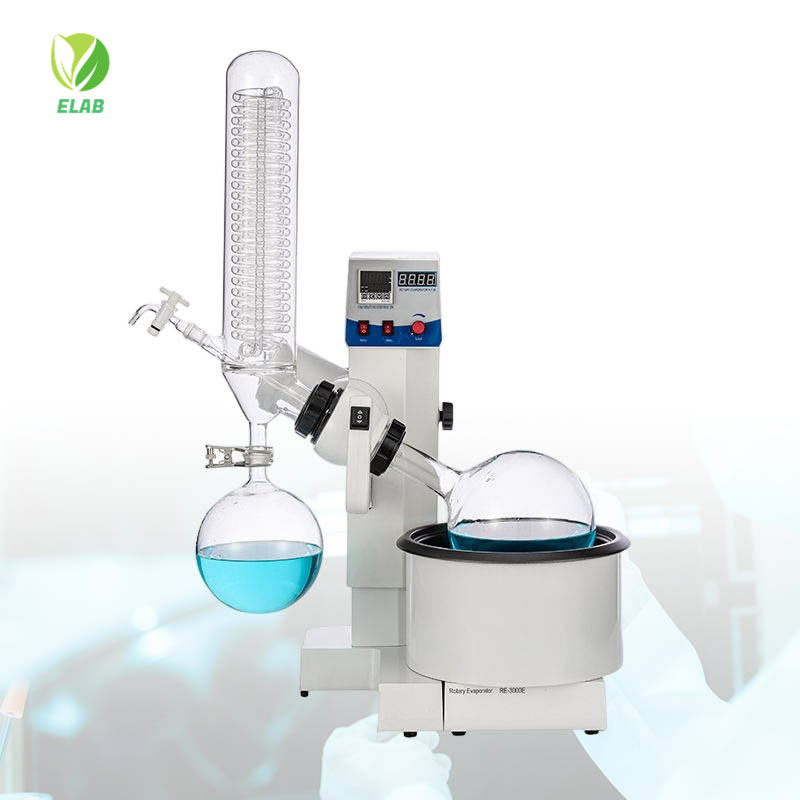
Selection of Rotary Evaporator
**1. Application Needs:** Determine the purpose of use, whether it's for solvent removal, sample concentration, or other specific applications .
**2. Capacity and Size:** Choose an evaporator with a suitable boiling flask size to accommodate your sample volume .
**3. Temperature Range:** Consider the operating temperature required for your solvent. Some evaporators use water baths, while others may use oil for higher temperature applications .
**4. Vacuum Control:** Ensure the evaporator has a reliable vacuum system for consistent pressure control .
**5. Safety Features:** Look for models with safety features such as foam sensors and protection shields .
**6. Automation and Control:** Advanced models may offer automation, touchscreen interfaces, and computer control for precise parameter adjustments .
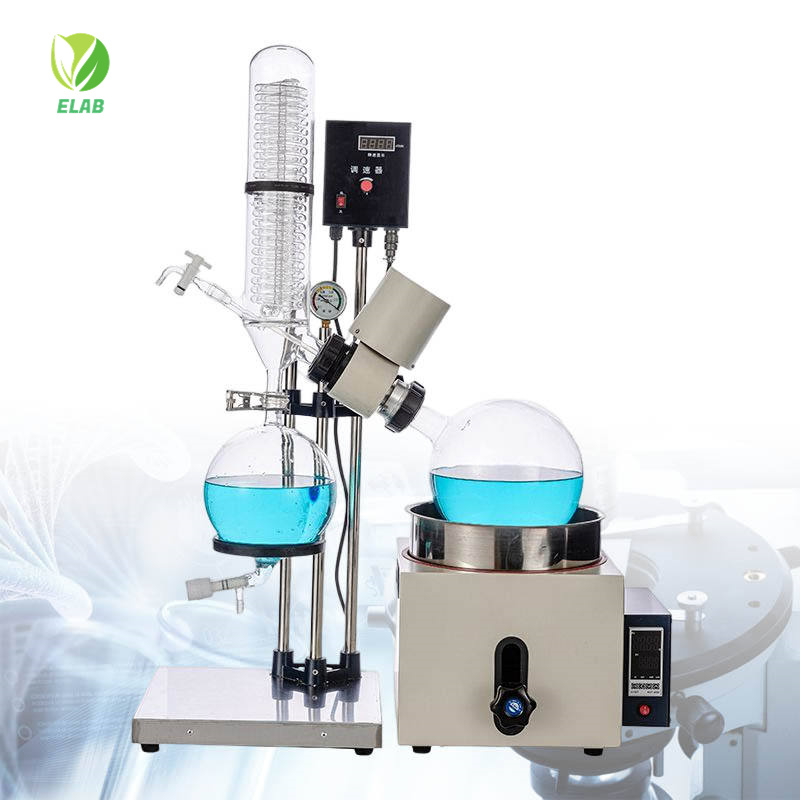
### Usage of Rotary Evaporator
**1. Preparation:** Before use, ensure the rotary evaporator is clean and free of any residue. Inspect all glassware for damage .
**2. Setup:** Assemble the evaporator according to the manufacturer's instructions, ensuring all connections are secure and the heating bath is filled appropriately .
**3. Sample Loading:** Place the sample in the boiling flask, taking care not to overfill it .
**4. Temperature and Vacuum:** Set the desired temperature and vacuum level according to the solvent's properties and the sample's requirements .
**5. Operation:** Start the evaporation process by initiating the rotation and heating. Monitor the process closely to ensure smooth operation .
**6. Collection:** Collect the condensed solvent in a separate flask, ensuring it is placed correctly to receive the distillate .
**7. Maintenance:** Regularly clean and maintain the rotary evaporator to prolong its life and ensure consistent performance. This includes checking for glassware damage, cleaning the unit properly, and not leaving water in the bath .
**8. Safety:** Always follow safety guidelines, wear appropriate personal protective equipment (PPE), and be aware of the potential hazards associated with the solvents being used .
### Conclusion
Selecting and using a rotary evaporator requires careful consideration of the application, capacity, temperature range, vacuum control, safety features, and automation capabilities. By following the manufacturer's instructions and adhering to best practices for operation and maintenance, you can achieve efficient and safe evaporation processes in the laboratory 。
Wonderful! Share this Blog: